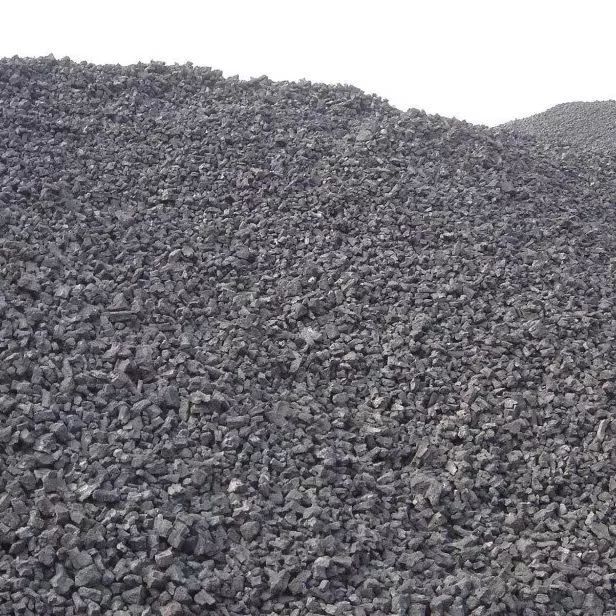
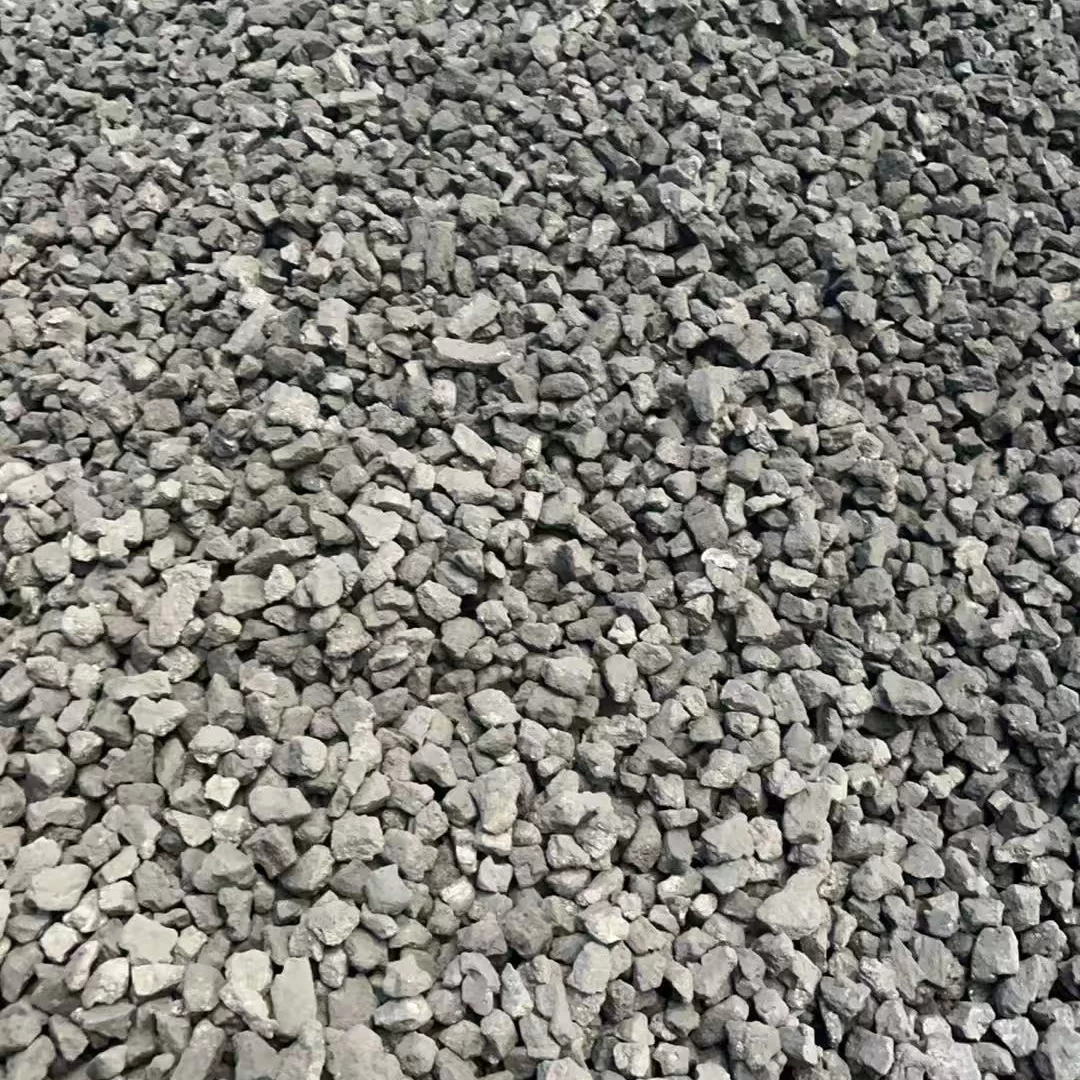
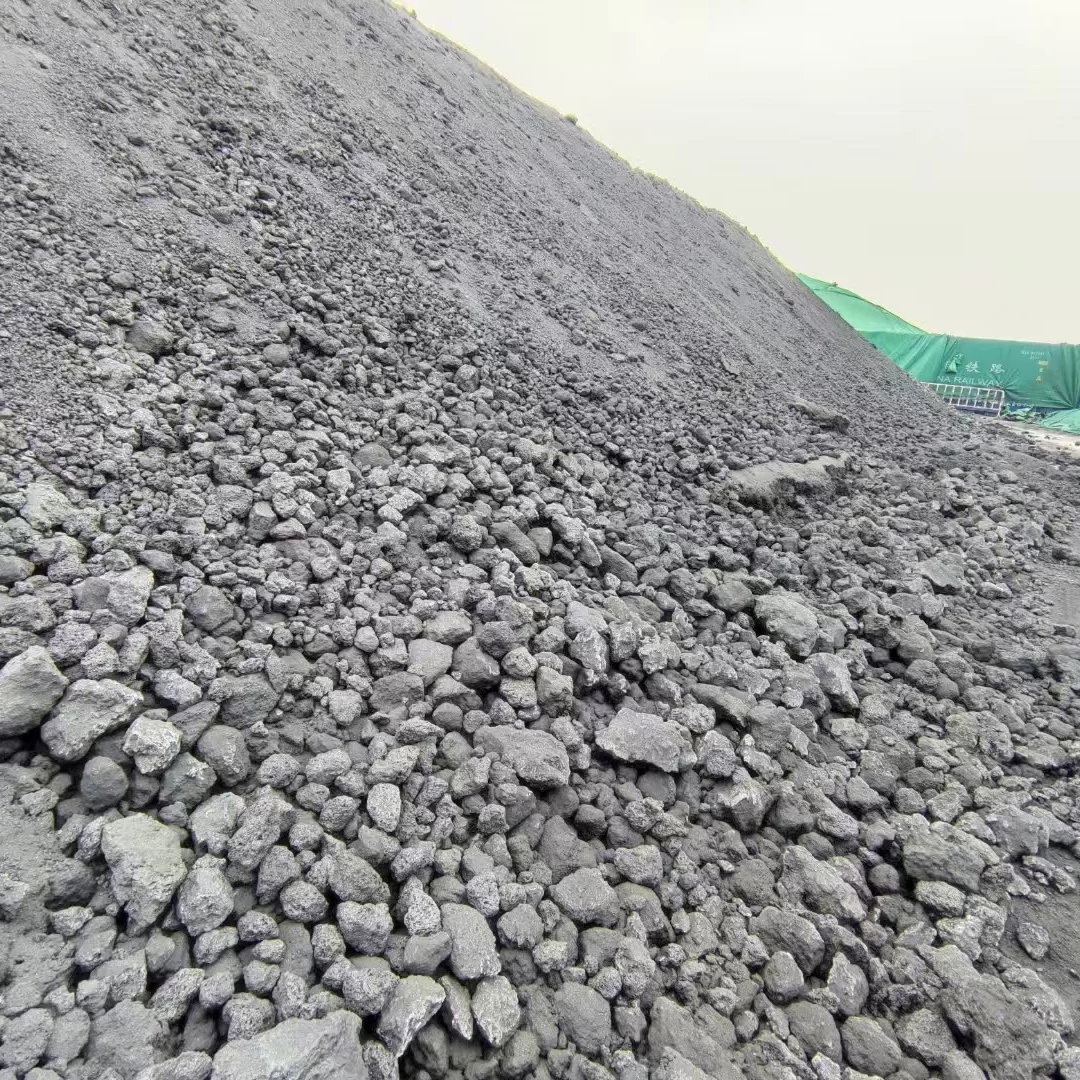
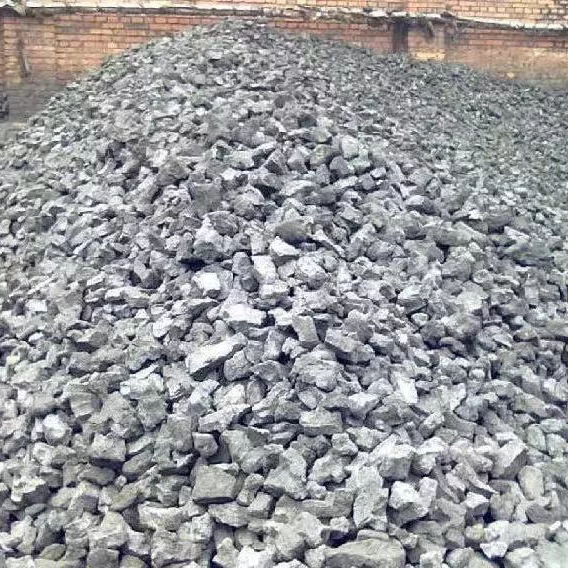
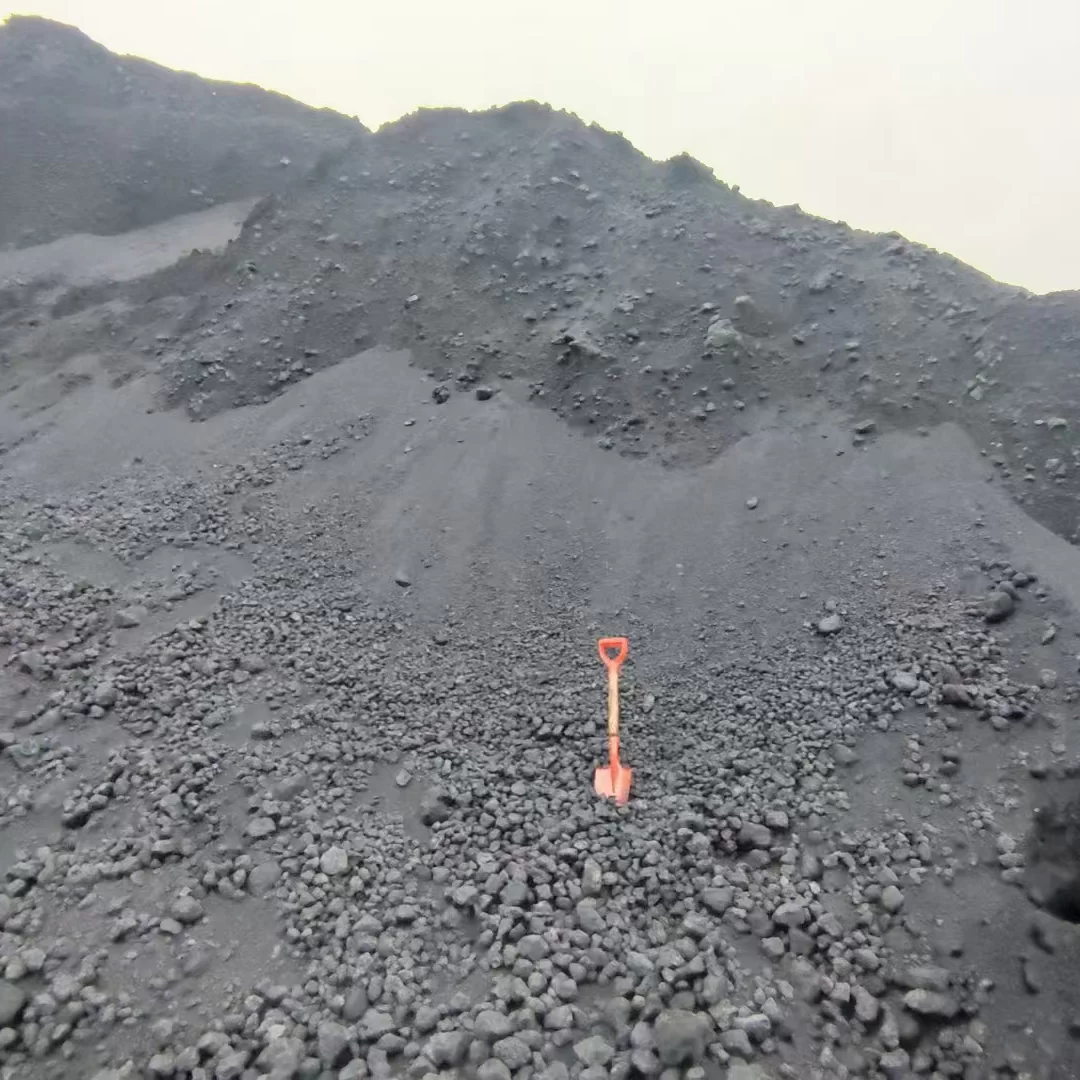
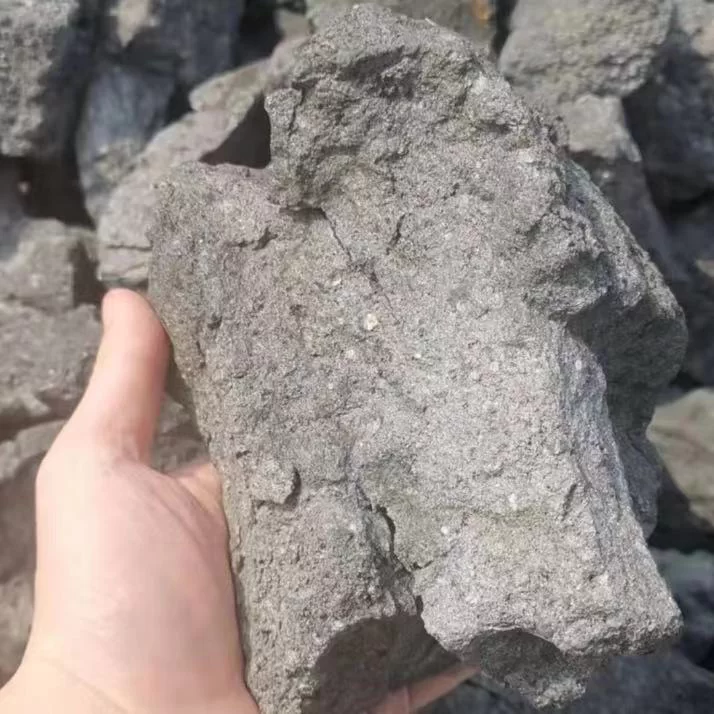
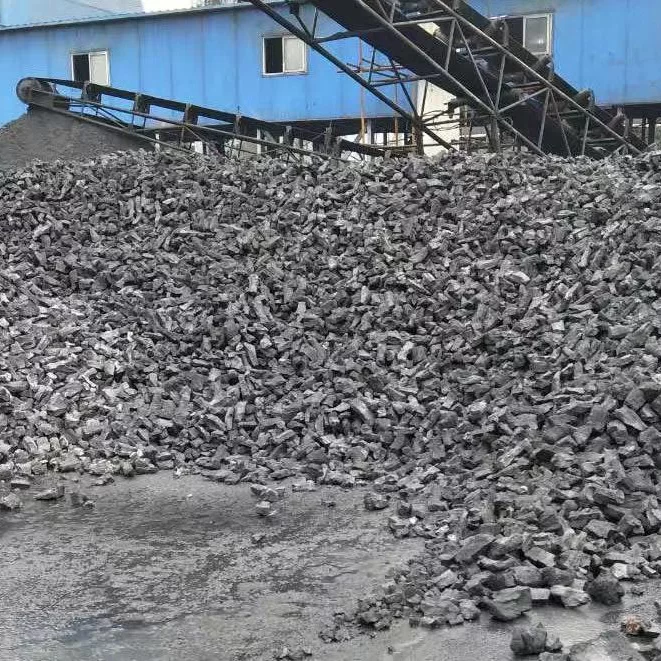
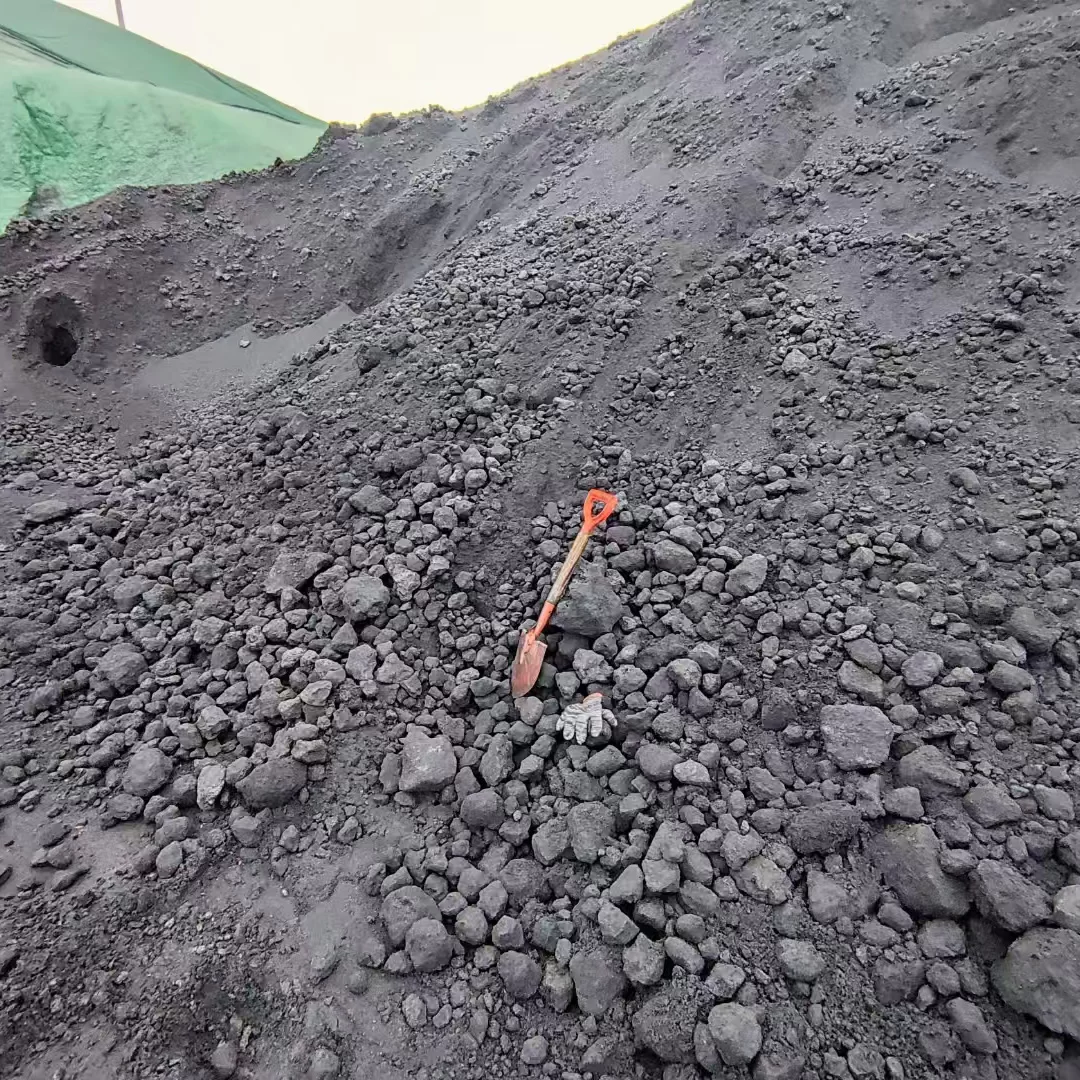
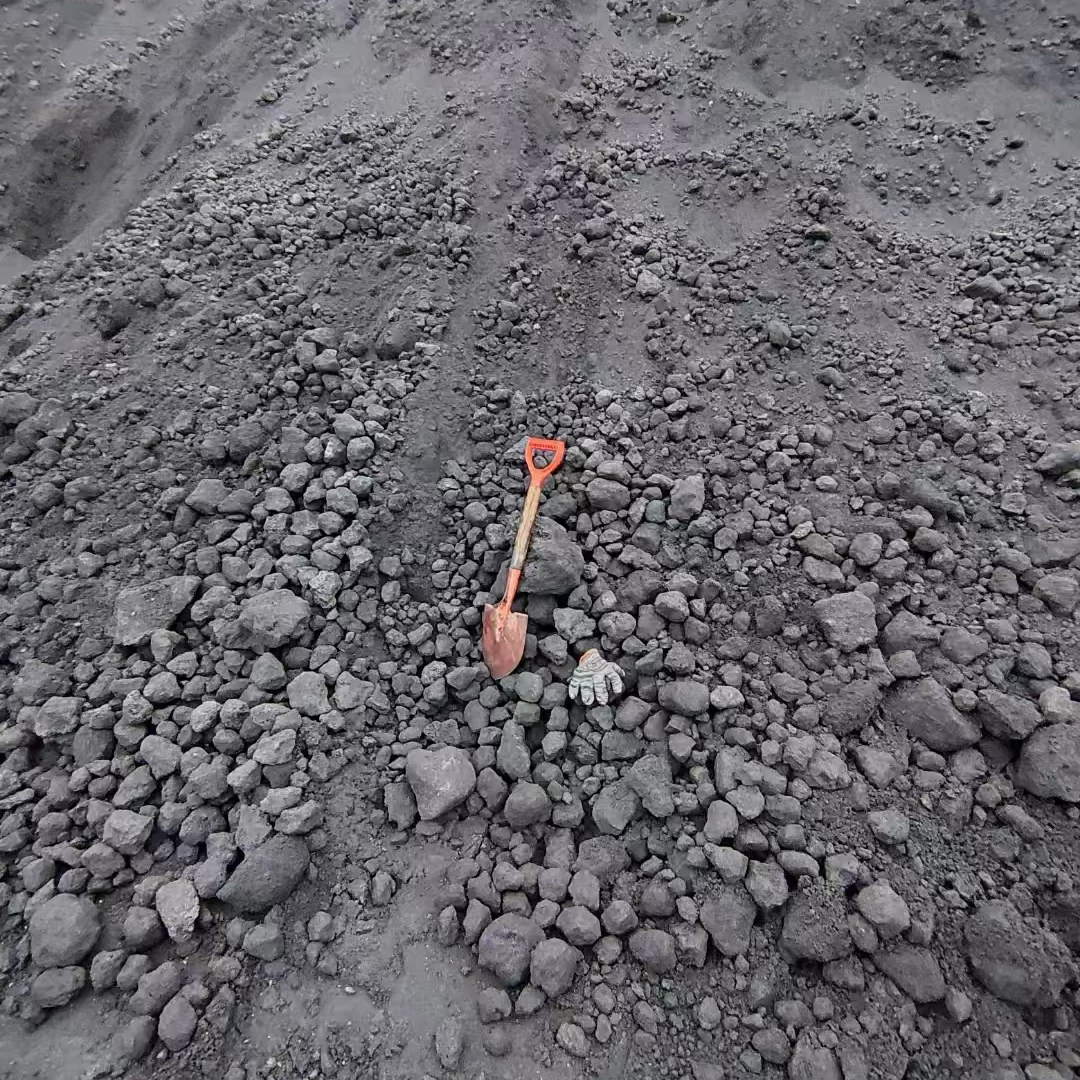
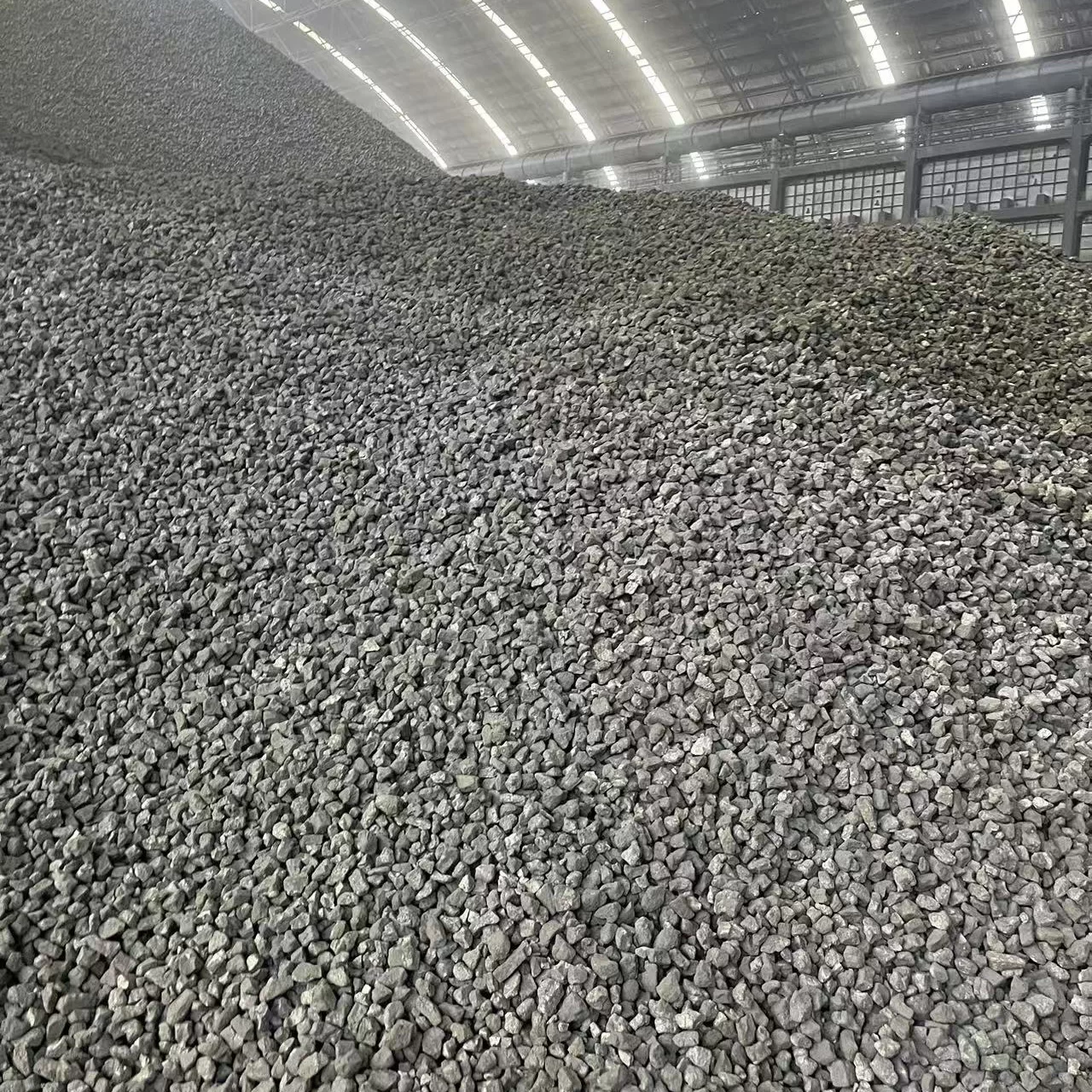
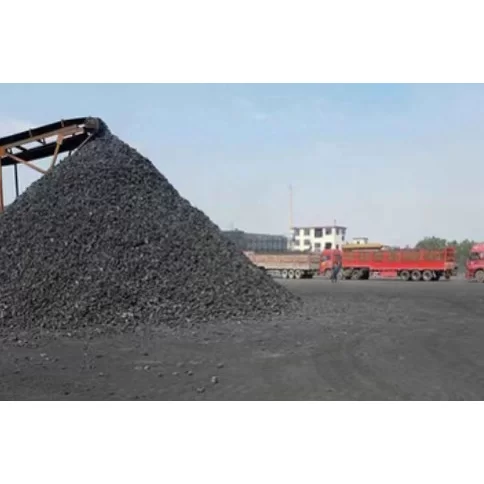
Metallurgical Coke, commonly referred to as met coke, is a premium carbonaceous material essential for high-temperature industrial processes. Produced through the precise carbonization of high-quality coals or specialized blends at temperatures reaching 1400K, this macroporous carbon material is engineered for exceptional structural strength and thermal stability, making it a cornerstone of modern metallurgy.
Serving a dual purpose as both a powerful chemical reducing agent and a high-energy fuel source, our metallurgical coke is indispensable in blast furnace operations for iron and steel production. Beyond steelmaking, its superior heat distribution and impurity reduction capabilities make it highly effective in the production of non-ferrous metals such as aluminum, titanium, and silicon, as well as in specialized foundry casting and chemical synthesis.
Detailed Parameters
| Total Moisture | Max 4.00% |
Ash Content | Max 11.00% |
| Volatile Matter (dry) | Max 1.00% |
Sulfur (S) | Max 0.80% |
| Phosphorus (P) | Max 0.060% |
Alkalis (Na2O + K2O) | Max 2.5% |
| CSR (Coke Strength after Reaction) | Min 62.00 |
CRI (Coke Reactivity Index) | 24 - 30 |
| M10 (Fines < 10mm) | Max 8.00% |
M40 (Size 40mm) | 80 - 84 |
Key Advantages
High Structural Strength
Engineered with high CSR values to withstand extreme pressure and weight in blast furnaces without collapsing.
Optimized Reactivity
Controlled CRI levels ensure efficient chemical reduction and stable combustion rates for consistent output.
Low Impurity Profile
Strictly controlled sulfur and phosphorus levels to prevent contamination of the final metal alloy.
Uniform Heat Distribution
Provides consistent thermal energy, critical for high-precision foundry casting and smelting processes.
Precision Granulometry
Strict grain size distribution ensures optimal gas permeability and airflow within the furnace.
Versatile Application
Effective across steel, aluminum, titanium, and chemical industries as a potent reducing agent.
Product Gallery
Management Platforms
Raw Material Sourcing
Rigorous selection of coal blends to ensure consistent carbon content and low ash.
Thermal Control System
Precision carbonization at 1400K for optimal macroporous structure development.
Quality Assurance
Batch-by-batch testing for CSR, CRI, and chemical purity compliance.
Granulometry Control
Advanced screening systems to maintain strict size range distribution.
Logistics Management
Specialized moisture-proof packaging and transport for industrial delivery.
Environmental Compliance
Eco-friendly production processes minimizing volatile emissions during heating.
Investment Return Comparison
| Performance Metric | Standard Coke | Our Premium Met Coke |
|---|
| Furnace Efficiency | Baseline | +15% Higher Efficiency |
|---|
| Waste Rate (Fines) | Moderate | Ultra-Low (Max 8% M10) |
|---|
| Metal Purity | Standard | Enhanced (Lower S & P) |
|---|
| Production Cycle | Average | Faster Reduction Rate |
|---|
| Operational Cost | Standard | Reduced Fuel Consumption |
|---|
Frequently Asked Questions
Q: What is the primary difference between Metallurgical Coke and regular fuel coke?
Metallurgical Coke is specifically engineered for smelting and chemical reduction in blast furnaces, featuring higher structural strength (CSR) and lower impurities compared to standard fuel coke used for simple heating.
Q: How does CSR impact the efficiency of a blast furnace?
Coke Strength after Reaction (CSR) determines the coke's ability to maintain its structure under heat and pressure. High CSR prevents the coke from crushing, ensuring optimal gas permeability and furnace productivity.
Q: Can this product be used for non-ferrous metal production?
Yes, our metallurgical coke is highly effective for producing aluminum, titanium, and silicon, where it serves as both the energy source and the essential reducing agent.
Q: What are the critical impurity limits for high-grade met coke?
High-grade coke typically maintains sulfur (S) below 0.80% and phosphorus (P) below 0.060% to ensure that the resulting metal alloy meets strict industry purity standards.
Q: What is the significance of the CRI (Coke Reactivity Index)?
CRI measures the reactivity of coke with carbon dioxide. A balanced CRI (typically between 24-30) ensures the coke reacts efficiently without being consumed too rapidly in the furnace.
Q: How is the grain size distribution managed?
We use precision screening to ensure limited fines (M10 < 8%) and a controlled percentage of oversized particles (> 80mm), optimizing the burden distribution in the furnace.
Ready to Optimize Your Smelting Process?
Contact Us